Why Air Conditioners Fail (And How to Prevent Costly Repairs) 

Why Air Conditioners Fail

Most air conditioners don’t fail without warning and they rarely fail for just one reason. In our experience across Caledon, Orangeville, Halton Hills and surrounding areas, breakdowns are usually the result of small issues ramping up over time. 

Knowing what actually causes AC problems puts you in a much better position. It helps you prevent expensive repairs, extend the life of your system, and stay comfortable when summer heat arrives. Here are some things to watch out for and best practices to keep your AC in tip-top shape! 

Reliable HVAC Services at Your Fingertips

Whether it’s heating, cooling, or improving your indoor air quality, our experts can help. Get personalized solutions for your home today.

Contact Us

The Hidden Reasons Air Conditioners Break Down 

Air conditioners are designed to run consistently for years. When they fail early, it’s typically due to a few underlying factors: 

  • Restricted airflow  
  • Lack of maintenance  
  • Electrical component wear  
  • System strain during peak demand  
  • Age-related decline  

These aren’t isolated problems either. They often work together. A minor issue in one area can quickly affect the entire system. 

The Hidden Cause: Restricted Airflow 

Airflow is critical to how your AC operates. When air can’t move properly through the system, everything else starts to struggle. Blocked airflow might not obvious either, especially if you keep the area around units clear. It’s usually a bigger issue on the inside

Common causes include: 

  • Dirty or clogged filters  
  • Blocked or closed vents  
  • Dust buildup on coils  

When airflow is restricted, the evaporator coil can freeze, reducing cooling capacity. At the same time, the system runs longer to compensate, placing extra strain on key components like the compressor. 

The Obvious but Easy to Miss Cause: Running Too Hard for Too Long 

During Ontario’s hot, humid summers, your air conditioner often runs for extended periods. That’s normal. The problem happens when the system is constantly overworking. 

This can be caused by: 

  • An undersized system  
  • Poor insulation in the home  
  • Air leaks or duct issues  

When your AC runs non-stop, wear and tear accelerate. The compressor, blower motor, and electrical components all experience higher stress levels, which increases the likelihood of failure. 

How Small Issues Turn into Major Repairs 

One of the most common patterns we see is a small issue that goes unchecked. 

For example: 

  • A clogged filter reduces airflow  
  • Reduced airflow leads to coil freezing  
  • The system runs longer to compensate  
  • The compressor becomes overloaded  

What could have been a simple maintenance fix turns into a much larger repair. Catching these problems early is one of the easiest ways to avoid major costs. 

The Impact of Age 

Even well-maintained systems have a lifespan. Most air conditioners last between 10 to 15 years with proper care. 

As systems age: 

  • Efficiency declines  
  • Components wear out more quickly  
  • Repairs become more frequent  

At this stage, the question often shifts from “what’s wrong?” to “how much longer will it last?” 

How to Prevent Most AC Repairs 

The good news is that many common AC issues are preventable with simple steps: 

  • Change your air filter regularly (at least every 90 days) 
  • Keep vents open and unobstructed  
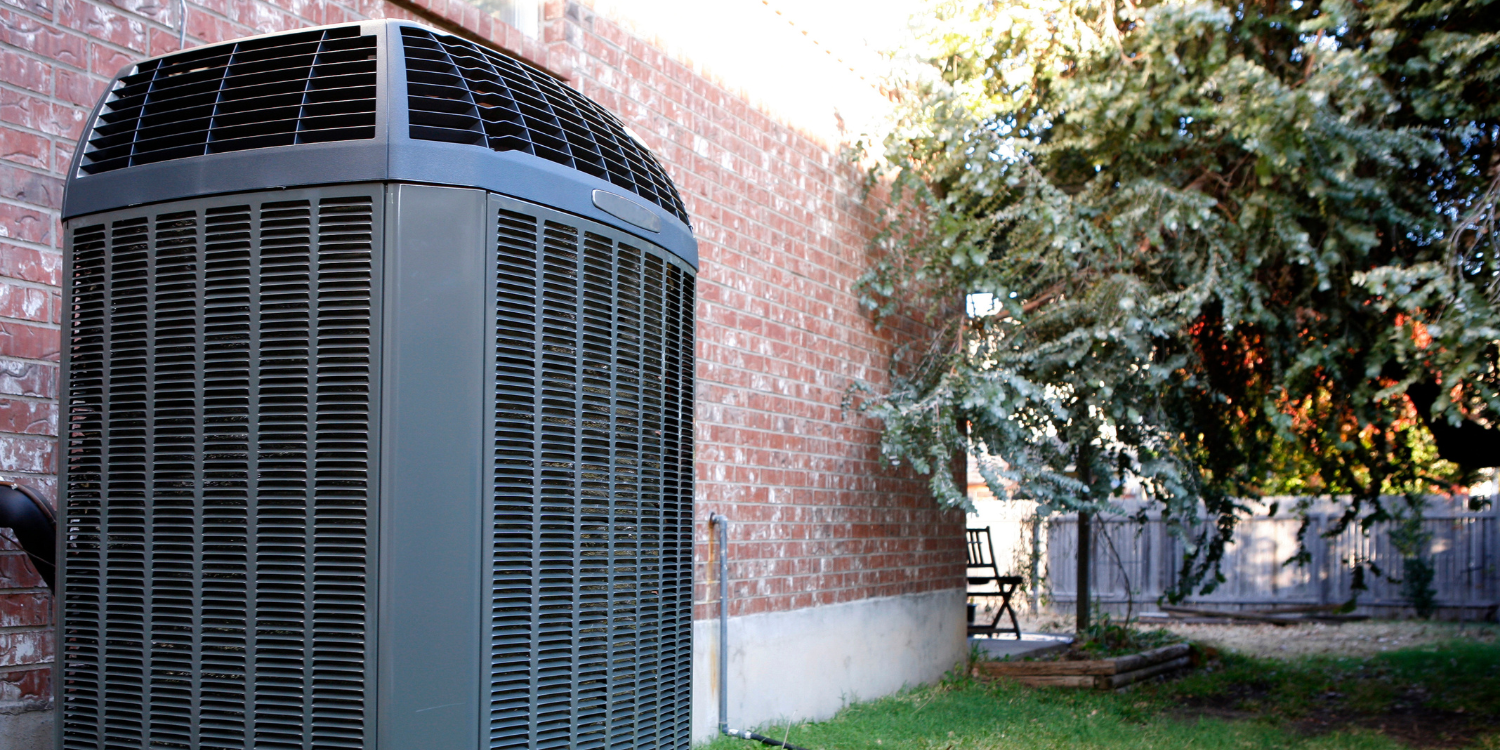
  • Clear debris from around the outdoor unit  
  • Address small performance changes early  

These steps help your system run efficiently and reduce unnecessary strain on key components. 

Keep Your System Running the Way It Should 

Many homeowners assume a breakdown happens suddenly, but in most cases, the system has been struggling for a while. Things like slightly weaker airflow, longer run times, or small increases in energy bills are often early indicators. Addressing these early can prevent much bigger issues down the line. 

If your system hasn’t been checked recently, or you’ve noticed changes in performance, it’s worth taking a closer look now rather than waiting for a breakdown. 

Book your AC maintenance or inspection with Arseneau Home Comfort today! 

10 Clear Signs Your Air Conditioner Needs Repair

Signs Your Air Conditioner Needs Repair

Ontario summers can turn hot and humid very quickly. A dependable air conditioner keeps indoor temperatures comfortable and protects your family from heat stress. When the system begins to lose performance, warning signs almost always appear before a total failure.

Catching these signs that you need AC repair early usually saves money, prevents uncomfortable nights, and avoids emergency service calls during the peak of summer. Our technicians at Arseneau Home Comfort see these exact patterns repeatedly while helping homeowners in Caledon, Brampton, Halton Hills, and surrounding communities.

Reliable HVAC Services at Your Fingertips

Whether it’s heating, cooling, or improving your indoor air quality, our experts can help. Get personalized solutions for your home today.

Contact Us

Below are the ten most common indicators that your air conditioner requires professional service.

1. Warm Or Barely Cool Air Comes From The Vents

The unit is running and the fan is blowing, but the air feels close to room temperature or only slightly cooler than the outdoor air. This is one of the most frequent complaints we hear.

Common causes include low refrigerant levels from a slow leak, a compressor that is struggling, or restricted airflow across the evaporator coil. Homeowners sometimes think the thermostat is set incorrectly or the filter needs changing. Those are good first steps but when warm air persists after basic checks, the problem usually lies deeper in the system and requires professional diagnosis.

2. Airflow Feels Weak Or Reaches Only Some Rooms

Certain bedrooms or living areas remain noticeably warmer than the rest of the house, even though vents in other rooms seem to deliver good airflow. This creates uncomfortable hot spots that make the whole home feel unevenly cooled.

The most common causes include a clogged air filter, partially blocked or restricted ductwork, a blower motor that is slowing down, or collapsed sections of flexible ducting. When airflow is limited, the system must run much longer to attempt to reach the temperature set on the thermostat. The extra runtime raises energy use and places unnecessary strain on major components.

3. Strange Noises Come From The Indoor Or Outdoor Unit

Strange Noises Come From AC Unit

You start hearing grinding, rattling, squealing, banging, or loud clicking sounds that weren’t present in previous seasons. A properly functioning system produces a steady, moderate hum or whoosh. Any noise clearly outside that range deserves attention.

These sounds often come from loose fan blades, worn motor bearings, debris caught in the blower wheel, a failing compressor, or belts that have stretched or cracked. Continuing to run the system while these noises are present frequently turns a moderate AC repair into a much more expensive replacement.

4. Musty, Burning, Or Chemical Smells Drift Through The Vents

Unpleasant odours are hard to ignore and should never be overlooked. A musty or mildew-like smell often means mold or bacteria have begun growing on the damp evaporator coil or inside the duct system.

A burning or electrical smell usually points to overheating wires, a failing capacitor, or a motor under excessive strain. Sharp chemical odours can signal a refrigerant leak. Any persistent unusual smell is a clear sign to turn off the system and arrange a professional inspection right away. This protects indoor air quality and helps prevent potential safety issues.

5. Electricity Bills Rise Sharply With No Change In Usage

Your hydro bill for June, July or August is noticeably higher than the same months last year, even though your daily routine and thermostat settings haven’t changed.

An inefficient air conditioner draws significantly more electricity to produce the same level of cooling. Dirty condenser and evaporator coils, low refrigerant, failing capacitors, or an aging compressor are among the most common causes.

Placing last year’s summer bills next to this year’s usually makes the increase stand out clearly.

6. The Unit Short Cycles (Turns On And Off Rapidly)

Instead of running for the usual 10 to 15 minutes at a time, the air conditioner starts up, runs for just 2 to 5 minutes, shuts off, and then restarts again shortly afterward. This pattern is known as short cycling.

Short cycling puts significant stress on the compressor and other electrical components. The startup surge is the most demanding part of the cycle, so frequent on-and-off operation causes extra wear.

Common causes include low refrigerant levels, an oversized unit that cools the space too quickly, a thermostat mounted in direct sunlight, or a failing thermostat. When this behaviour continues, the system becomes less efficient and wears out much faster.

7. Water Leaks Around The Indoor Air Handler Or Furnace

You notice puddles on the floor near the furnace or air handler, or you see water actively dripping from the indoor unit itself.

The most common cause is a clogged condensate drain line that stops moisture from draining out of the system properly. Another frequent reason is a frozen evaporator coil, often caused by low airflow or low refrigerant, that later melts and overflows once the system shuts off.

Standing water can damage flooring, encourage mold growth, and lead to more expensive secondary repairs if left unaddressed. If you see active leaking, turn the air conditioner off right away and arrange for service.

8. The Outdoor Condenser Unit Runs Constantly

The outdoor unit keeps running without stopping, even when the indoor temperature has reached or dropped below the thermostat setting. Non-stop operation is easy to notice because you can hear the fan and compressor running for hours without a break.

Common causes include dirty condenser coils that prevent proper heat release, low refrigerant levels, an undersized system struggling to keep up with the cooling load, or a stuck contactor.

Constant running significantly increases electricity costs and greatly shortens the life of the compressor and other major components.

9. Ice Or Frost Builds Up On The Indoor Coil Or Refrigerant Lines

You notice a layer of frost or ice forming on the copper suction line or on the evaporator coil inside the air handler. This icing is a clear sign of a mechanical problem.

It is usually caused by restricted airflow from a very dirty filter, low refrigerant due to a leak, or blocked vents. These issues allow the coil temperature to drop below freezing.

Once ice forms, it acts as insulation and reduces the coil’s cooling capacity even more. When the ice eventually melts, the excess water can overflow and cause leaks. Continuing to run the system with icing present frequently leads to compressor damage.

10. The System Is Over 10 Years Old And Needs Frequent Repairs

Your air conditioner is now more than 10 years old and repair calls have become noticeably more frequent each season.

According to Natural Resources Canada, central air conditioners typically last 10 to 15 years with proper maintenance. After that point, efficiency often declines significantly and major components such as the compressor are more likely to fail.

When repair costs start to accumulate or the same parts keep failing, it is usually worth having a technician assess whether continuing to repair the unit remains economical or whether a new air conditioner installation would provide better long-term value, reliability, and comfort.

Ready To Fix Your Air Conditioner?

Spotting these signs early puts you in control. You can take care of small problems before they turn into uncomfortable nights or costly emergency calls during the hottest part of summer.

Acting quickly helps protect your home comfort and keeps your system running more efficiently for as long as possible. Whether you need a simple repair, a maintenance tune-up, or just a clear answer about whether replacement makes sense, the key is getting an accurate diagnosis from someone experienced with these systems.

If you’ve noticed any of the signs we’ve covered and you need AC repair or you simply want peace of mind before the next heatwave arrives, reach out today. A quick call or message can prevent a lot of stress and expense later.

Contact us to schedule your AC repair or maintenance visit. We’re here to help.

Reliable HVAC Services at Your Fingertips

Whether it’s heating, cooling, or improving your indoor air quality, our experts can help. Get personalized solutions for your home today.

Contact Us

Will HVAC prices go down in 2025? Pricing Factors, Industry Landscape, Government Rebates & More

Factors Influencing HVAC Prices in 2025

As we enter 2025, homeowners in Ontario and the broader Canadian market are keenly interested in the trajectory of residential HVAC (Heating, Ventilation, and Air Conditioning) prices. Understanding the factors influencing these costs is essential for making informed decisions about upgrading or installing systems such as furnaces, heat pumps, and air conditioners.

Here, we provide our forecast based on industry trends, as well as actionable tips so your family can save the most money on new HVAC costs this year.

Factors Influencing HVAC Prices in 2025

1. Regulatory Changes and Environmental Policies

Environmental policies have been a driving force behind price increases in the HVAC sector. Key regulations, like the phaseout of R-410A refrigerants in favour of eco-friendly alternatives such as R-32 or R-454B, have prompted manufacturers to redesign systems. These changes result in increased production costs, which are passed on to consumers.

For example:

  • Refrigerant Transition Costs: The move to environmentally safer refrigerants increases the cost of HVAC units by 10–15%.
  • Energy Efficiency Standards: Stricter efficiency requirements lead to the production of more advanced (and expensive) components.

These regulations aim to reduce the environmental impact of HVAC systems but come with a price premium for homeowners.

Reliable HVAC Services at Your Fingertips

Whether it’s heating, cooling, or improving your indoor air quality, our experts can help. Get personalized solutions for your home today.

Contact Us

2. Supply Chain Dynamics

The global supply chain is still recovering from disruptions caused by the COVID-19 pandemic and geopolitical tensions. Factors such as material shortages, increased shipping costs, and higher labour expenses have resulted in more expensive manufacturing processes.

  • Metal Prices: The cost of aluminum, steel, and copper—essential components in HVAC systems—remains high, directly impacting equipment pricing.
  • Component Shortages: Semiconductors and specialized parts used in smart HVAC systems are in limited supply, delaying production and increasing costs.
  • Shipping Costs: Land, sea and air transportation costs have been on the rise since 2020.

3. Advancements in Technology

While technological innovations improve energy efficiency and user experience, they also elevate costs. Systems with features like variable-speed compressors, AI-driven diagnostics, and smartphone integrations are more expensive to produce.

  • Heat Pumps with Smart Controls: Heat pumps now come with Wi-Fi-enabled controls and energy monitoring systems, increasing initial costs but saving energy in the long run.
  • Smart Thermostats: Many HVAC systems are now compatible with smart thermostats, which add an extra layer of cost but improve home comfort and efficiency.
  • Enhanced Insulation Materials: Advanced insulation options are available, which may raise upfront expenses but significantly reduce heating and cooling costs over time.

4. Market Demand and Housing Trends

The demand for residential HVAC systems is closely tied to housing trends. Canada’s growing population and new developments drive demand for efficient heating and cooling solutions.

  • New Construction: Builders are incorporating HVAC systems into new homes, which often feature energy-efficient and environmentally friendly designs.
  • Renovation Projects: Many homeowners are upgrading older systems to comply with modern efficiency standards, increasing demand for premium products.

Price Forecasts for Residential HVAC Systems

Furnaces

Furnace prices are expected to increase slightly due to updated energy efficiency standards. High-efficiency models, such as condensing furnaces with AFUE ratings above 90%, remain popular but come with higher upfront costs. However, these models provide long-term savings through reduced energy bills.

Air Conditioners

Air conditioners will see moderate price hikes as manufacturers transition to eco-friendly refrigerants. Single-stage models remain the most affordable option, but variable-speed units, which offer better comfort and efficiency, are trending upward in cost.

Heat Pumps

Heat pumps are becoming a preferred choice for homeowners due to their dual heating and cooling capabilities and government rebates. Cold climate heat pumps, designed to function efficiently even in Canadian winters, are in high demand. However, their prices are expected to rise due to advanced technology and regulatory compliance. However, provincial and federal incentives may continue to offset some of these costs.

Government Rebates and Their Impact on HVAC Pricing

Government incentives play an important role in countering rising HVAC costs. Here’s how they might influence your 2025 HVAC purchase:

Federal Programs

The Canada Greener Homes Initiative offers interest-free loans of up to $40,000 for energy-efficient retrofits, including HVAC upgrades.

Under the same initiative, the Oil to Heat Pump Affordability Program also assists eligible homeowners with median income or less transitioning from oil heating:

  • No home energy evaluation is required for program participation.
  • Eligible homeowners can receive up to $10,000 for switching to an eligible heat pump system.
  • An additional $5,000 grant is available in co-delivery provinces and territories.
  • A one-time $250 incentive is offered for homeowners in co-delivery regions.

In addition, the Canadian Government has announced that The Canada Greener Homes Affordability Program is coming soon! This incentive aims to aid low-to-median-income homeowners and tenants in retrofitting homes for energy savings. We anticipate a 2025 go-live date for the affordability program.

Provincial Incentives

Programs like Ontario’s Home Efficiency Rebate Plus (HER+) provide homeowners with rebates for installing energy-efficient furnaces, heat pumps, and air conditioners. For instance, homeowners can receive:

  • Up to $5,000 for insulation and air sealing
  • Rebates for ENERGY STAR-certified HVAC systems

Tax Credits and Deductions

Some federal and provincial programs offer tax credits for installing qualifying HVAC equipment. These credits encourage homeowners to invest in energy-efficient technologies, reducing overall costs.

Why HVAC Prices May Not Decrease in 2025

Despite government incentives, several factors make a significant drop in HVAC prices unlikely:

  • Higher Production Costs: Manufacturers face rising costs due to raw materials, labour, and compliance with new standards.
  • Demand for Efficiency: Homeowners are increasingly prioritizing energy-efficient systems, which are more expensive upfront.
  • Market Trends: Global inflation and supply chain challenges continue to affect pricing.

What Homeowners Should Do in 2025

To navigate the rising costs of HVAC systems, here are some practical steps we suggest for homeowners:

1. Plan Ahead

If your HVAC system is nearing the end of its lifespan, start researching replacements now. Early planning allows you to take advantage of current rebates and avoid further potential price hikes.

2. Invest in Energy Efficiency

High-efficiency systems may cost more upfront, but they offer significant savings on energy bills over time. Look for ENERGY STAR-certified models and systems with high SEER2 and AFUE ratings.

3. Consult Professionals

Work with a trusted HVAC provider to assess your needs and recommend systems that balance cost, efficiency, and performance.

4. Utilize Government Rebates and Tax Breaks Where Applicable

Take full advantage of federal and provincial programs to offset installation costs. Ensure you work with an HVAC contractor who is familiar with these incentives.

Conclusion: Our Predictions

HVAC prices in 2025 are likely to continue rising due to regulatory changes, supply chain challenges, inflation and tech advancements. However, government rebates and energy savings make upgrading worthwhile if your equipment is nearing the end of its lifespan.

Ready for an Upgrade?

While HVAC prices are unlikely to decrease significantly in 2025, proactive homeowners can make strategic decisions to minimize costs and maximize comfort. For expert advice on rebates and professional installation services, contact Arseneau Home Comfort today. Our team is dedicated to providing you with HVAC solutions that suit your family’s needs and budget.

How to Size an Air Conditioner for Your Home According to Experts 

How to Size an Air Conditioner for Your Home According to Experts

How to Size an Air Conditioner for Your Home According to Experts 

The air conditioner you choose for your home must be adequately sized to do its job properly. An oversized unit can lead to frequent cycling, while an undersized one may struggle to cool your home effectively. Worst of all, an improperly sized unit will cost you more in utilities and wear and tear in the long run. Here, our team explains how to accurately determine the appropriate size for your air conditioner. 

Understanding AC Unit Measurements 

First, how is the size of an AC unit measured? 

Air conditioners are measured in tons or British Thermal Units (BTUs). One ton of cooling capacity equals 12,000 BTUs. Generally, a one-ton unit is suitable for cooling about 750-1,000 square feet. Here’s a quick guide: 

  • 1.5 Tons (18,000 BTUs): Suitable for 1,000-1,500 square feet 
  • 2.0 Tons (24,000 BTUs): Suitable for 1,500-2,000 square feet 
  • 2.5 Tons (30,000 BTUs): Suitable for 2,000-2,500 square feet 

For instance, a 2,000-square-foot home typically requires a 2.0 – 2.5-ton air conditioner. 

Factors to Consider 

While the size of your space is a primary factor, other characteristics of your home also influence the ideal AC size

  • Layout: Open floor plans might require different cooling capacities compared to segmented layouts. 
  • Insulation: Well-insulated homes retain cool air better, potentially reducing the required AC size. 
  • Sunlight Exposure: Homes with significant sun exposure may need a larger unit to compensate for the added heat. 

Consulting with an HVAC Professional 

For the most accurate recommendation, consult with an HVAC professional. They can perform a detailed analysis of your home’s specific needs, considering additional factors such as: 

  • Home Orientation: The direction your home faces affects cooling needs. 
  • Window Size and Type: Larger or less efficient windows can increase cooling requirements. 
  • Local Climate: Canadian climates vary significantly, impacting the cooling load. 

After measurements are taken and your home is assessed, a professional can give you the best estimate of the AC size you need. 

Ready to Upgrade Your Air Conditioner? Contact Us Today! 

Ensure your home stays cool and comfortable all summer long. Reach out to Arseneau Home Comfort for professional guidance and top-quality installation services in Caledon.

5 Signs That Say It’s Time to Replace Your Air Conditioner

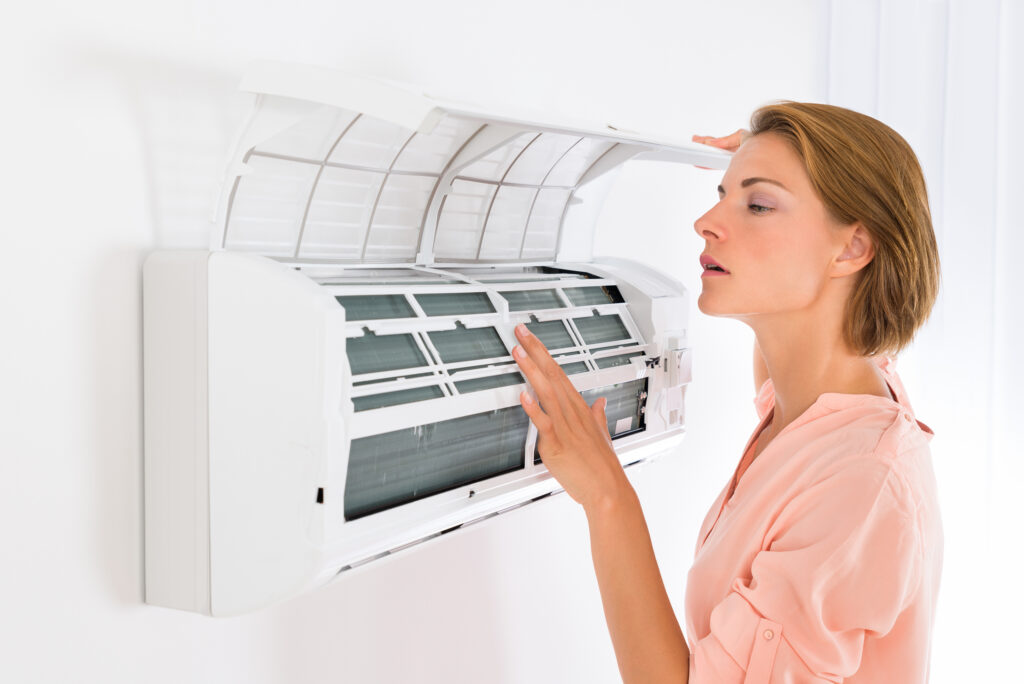
women checks air conditioner

Like all home appliances, your air conditioner has a limited lifespan. Recognizing when to replace it can save you money and ensure your home remains comfortable, especially in the warm months. Arseneau Home Comfort is here to help you spot the key signs that your AC may need upgrading.

1. Age: More Than Just a Number

The age of your air conditioner significantly impacts its efficiency and performance. If your unit is over 10-15 years old, it’s likely not operating as efficiently as newer models. Modern air conditioners are designed with better technology to provide superior cooling with less energy consumption. Upgrading to a new system can reduce your energy bills and your carbon footprint.

2. Frequent Repairs

An air conditioner that requires frequent repairs is a clear indicator that it’s time for a replacement. Not only do the costs of repairs add up, but the inconvenience and discomfort of a non-functional system during hot days can be frustrating. Investing in a new air conditioner can save you from the recurring costs and hassle of repairing an old, failing system.

Reliable HVAC Services at Your Fingertips

Whether it’s heating, cooling, or improving your indoor air quality, our experts can help. Get personalized solutions for your home today.

Contact Us

3. Rising Energy Bills

If you’ve noticed a steady increase in your energy bills despite no significant changes in your usage patterns, your air conditioner’s efficiency may be to blame. Older units tend to work harder to maintain desired temperatures, leading to higher energy consumption. Replacing your old unit with an energy-efficient model can lead to significant savings on your utility bills.

4. Poor Performance & Inconsistent Temperatures

Struggling to maintain a consistent temperature throughout your home? This can be a sign of an aging air conditioner. If some rooms are too cold while others remain uncomfortably warm, it could indicate that your system is no longer capable of distributing air effectively. A new air conditioner can offer improved performance and ensure even, comfortable temperatures in every room.

5. Strange Noises

Unusual noises such as grinding, squealing, or rattling from your air conditioner are not just annoying—they signal serious internal issues. These sounds may indicate that components are worn out and the system is struggling to operate. Replacing your air conditioner can eliminate these noises and ensure your system runs smoothly and quietly.

Upgrade Your AC with Arseneau Home Comfort

If you’re experiencing any of the signs mentioned above, it may be time to consider an upgrade. Arseneau Home Comfort specializes in providing top-quality air conditioning solutions to meet your needs. Contact us today to explore how a new air conditioner can transform your home comfort.

Your Complete Guide to Air Conditioner Care and Efficiency 

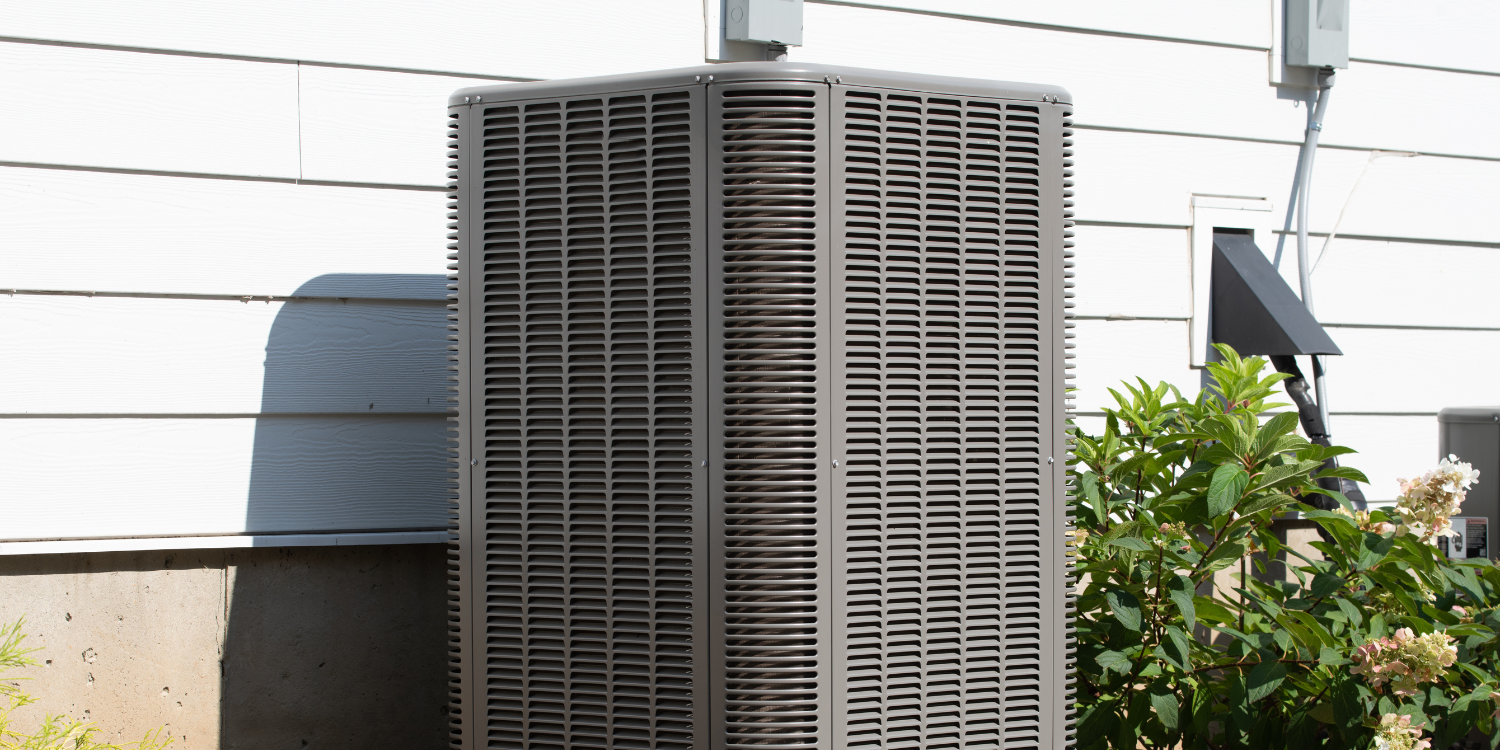
Large Grey Outdoor AC Unit by Plants - Your Complete Guide to Air Conditioner Care and Efficiency

Air conditioning has become more than the luxury it once was. Most homeowners would consider it a necessity, especially during hot and humid Ontario summers. Additionally, air conditioner care is a crucial element in maintaining this comfort we rely on. With the right knowledge, you can ensure your air conditioner runs efficiently, saving costs and extending its lifespan.  

Here, we bring you a comprehensive guide to help you make the most of your air conditioning system.

Reliable HVAC Services at Your Fingertips

Whether it’s heating, cooling, or improving your indoor air quality, our experts can help. Get personalized solutions for your home today.

Contact Us

What Size Air Conditioner Do I Need for My Home?  

Your first step to success is choosing the right size of air conditioner. This is essential for efficiency since an oversized unit can cause frequent cycling, while an undersized one struggles to cool your home.  

To determine the right size air conditioner for your home, consider both the size of your space and the unit’s cooling capacity. AC units are measured in tons or BTUs (British Thermal Units), with a one-ton unit typically suitable for about 750-1000 square feet. For instance, a 2,000-square-foot home might require a 2.0 – 2.5-ton unit.  

Consulting with an HVAC professional can provide a precise recommendation based on your home’s specific characteristics, like layout, insulation, and exposure to sunlight. 

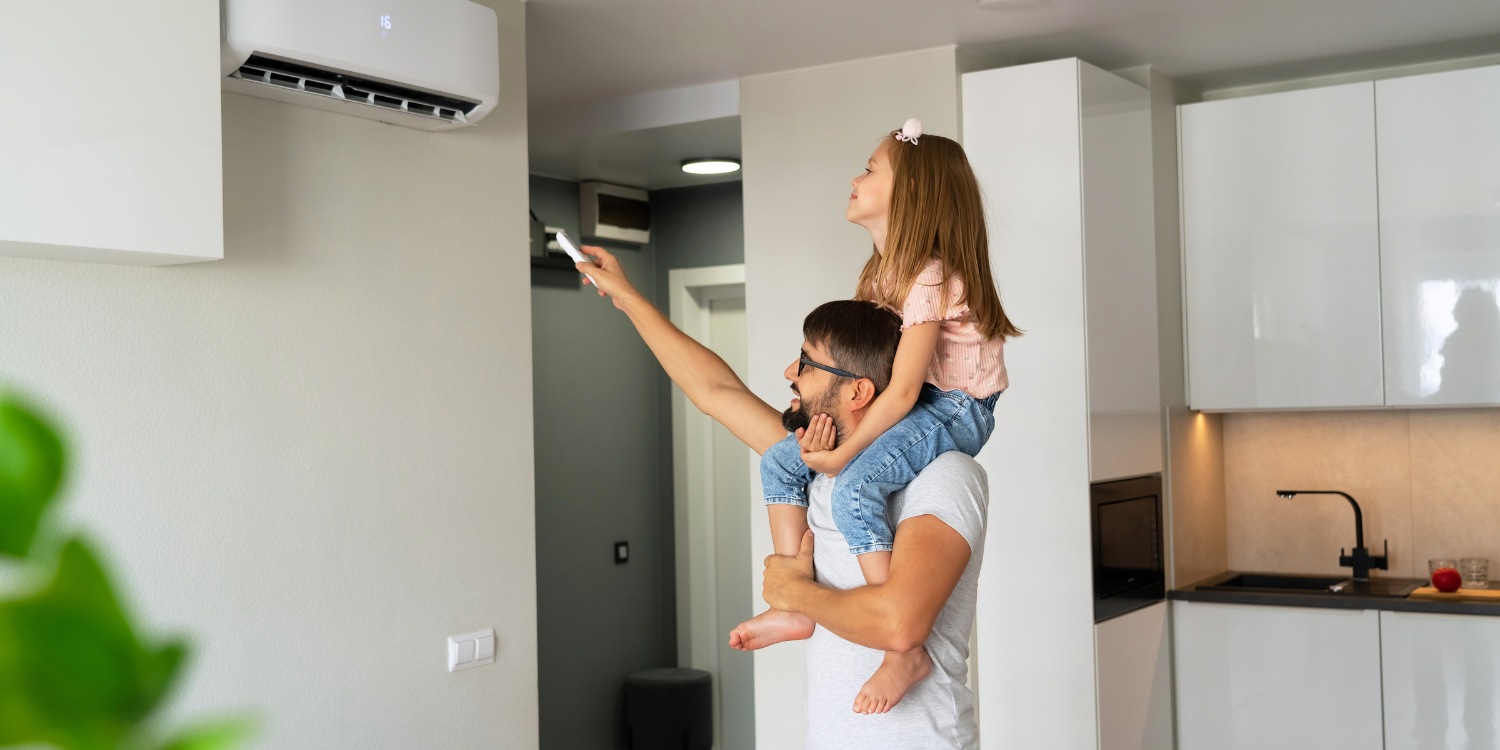
Turning on ductless AC unit - Your Complete Guide to Air Conditioner Care and Efficiency

Central vs. Split Air Conditioners: Which Is Right for You?  

If you’re on the fence about central AC, then you may want to consider other options. For one, the choice between central and split air conditioners depends on various factors, like the size of your home, existing ductwork, and personal preferences.  

Central air conditioners are best for larger homes with ductwork, offering efficient, whole-house cooling, but are costlier to install. Split or ductless systems are ideal for homes without ducts or for specific rooms, providing easier installation and individual room control, but may require multiple units for full coverage.  

How Much Does Air Conditioner Installation Cost?  

In Ontario, the cost of installing a central air conditioner typically ranges from $3,500 to $6,000, including the unit and standard installation. Ductless mini-split systems, an alternative for homes without ductwork, may cost between $6,100 and $8,500, potentially reaching $10,000 for larger systems with advanced features. The installation cost can vary based on the system’s size, efficiency (SEER rating), brand, and the complexity of the installation process. 

What are the Benefits of Installing a Smart Thermostat for AC?  

Smart thermostats offer enhanced control and efficiency for your air conditioning system, no matter which you choose.  

Benefits of Smart Thermostats:  

  • Adjusts HVAC equipment automatically for optimal energy efficiency, potentially saving up to 15% on annual cooling costs 
  • Remote control via a smartphone app 
  • Better control for zoned cooling 
  • Analytics on AC usage, helping adjust habits for maximum efficiency   
  • Can communicate with other smart home technologies 
  • Predictive AC maintenance alerts 
Outdoor AC unit against red brick home - Your Complete Guide to Air Conditioner Care and Efficiency

Common Air Conditioner Problems and Potential DIY Fixes  

Even the best air conditioners encounter issues. Here are some common problems you might find and quick fixes you can do on your own: 

  • Frozen Evaporator Coil: Thaw the coil and address underlying issues like dirty air filters or low refrigerant.  
  • Water Leakage from AC: Unclog any blocked condensate drains or contact a pro about malfunctioning condensate pumps.  
  • AC Breaker Tripping: Identify and address issues like dirty filters, power surges, or capacitor failure. 
  • AC Refrigerant Leak: Recognize and address refrigerant leaks, typically a job for professionals due to toxicity and legal considerations. 
  • Blown Capacitor: Replacing one can be risky, so only do this if you’re experienced with electrical. 
  • AC Making Noise: Solutions can range from simple fixes to more complex repairs. Use your discretion!  

Hiring a professional to service your equipment on a yearly basis can help expose some of these issues early before they become more costly problems.  

Not sure you want to take on the challenge of fixing these issues? Contact Arseneau Home Comfort and a member of our team would be happy to help!  

How Often Should You Service Your Air Conditioner? 

Regular servicing is key to maintaining your air conditioner’s efficiency and longevity. Service your air conditioner annually, ideally in spring, before peak usage. Regular maintenance includes cleaning filters, checking refrigerant levels, inspecting electrical components, and cleaning coils. 

Reliable HVAC Services at Your Fingertips

Whether it’s heating, cooling, or improving your indoor air quality, our experts can help. Get personalized solutions for your home today.

Contact Us

Can I Clean my Air Conditioner Myself? 

In addition to professional maintenance, proper cleaning can prevent many common air conditioner problems. Here are some tips for cleaning and maintaining your AC unit yourself: 

  • Regularly replace or clean air filters 
  • Clean the evaporator and condenser coils  
  • Check the coil fins for bent ones  
  •  Unclog the rear drain  
  • Inspect and seal leaking ductwork  
  • Keep the area around the unit clear  
  • Schedule professional maintenance annually 

Types of Air Conditioner Filters 

The right air filter can significantly impact your AC unit’s efficiency and air quality. Here are different types to consider, but note that they may not all be compatible with your unit: 

Types of AC Filters: 

  • Fiberglass Filters: Economical, disposable, and offer basic filtration. 
  • Pleated Filters: More efficient than fiberglass at capturing smaller particles. 
  • HEPA Filters: High Efficiency Particulate Air filters can remove at least 99.97% of airborne particles. 
  • Washable Filters: Reusable and environmentally friendly, but require regular cleaning. 

Replacement and Maintenance: 

  • Filters should typically be replaced every 1-3 months. 
  • Check filters monthly, especially during high-use periods. 
Ductless AC Unit being turned on by a remote - Your Complete Guide to Air Conditioner Care and Efficiency

How Can I Improve My Air Conditioner’s Energy Efficiency 

Improving energy efficiency not only reduces bills but also benefits the environment. Here are ways to enhance your air conditioner’s efficiency through simple adjustments and upgrades: 

  1. Use a Programmable Thermostat: Set schedules to reduce cooling when not needed. 
  1. Seal and Insulate Your Home: Reduce cooling loss by sealing windows and doors and insulating walls and attics. 
  1. Use Ceiling Fans: Fans can make rooms feel cooler and reduce AC usage. 
  1. Avoid Heat Build-Up During the Day: Use appliances like ovens and dryers during cooler hours. 
  1. Install Energy-Efficient Lighting: Reduce heat emission from lighting. 
  1. Regular Maintenance: Ensures the AC unit is running efficiently. 
  1. Upgrade to an Energy-Efficient Air Conditioner: If your unit is old, consider replacing it with a more efficient model. 

When Should You Replace Your Air Conditioner?  

Knowing when to replace your air conditioner can save you money and hassle in the long run. Consider replacing your air conditioner if it’s over 10-15 years old, needs frequent repairs, is less efficient, or can’t maintain consistent temperatures.  

Also, consider replacement if you notice increased energy bills or hear strange noises indicating wear and tear. Upgrading can offer improved efficiency, reduced costs, and better performance. 

Ready for Efficient Cooling? Contact Arseneau Home Comfort  

Don’t let air conditioner troubles keep you from enjoying a comfortable home. For expert installation, maintenance, and advice, contact Arseneau Home Comfort today. We’re dedicated to providing you with reliable and efficient home cooling solutions.